Charcoal production and sales
Charcoal production and sales: how lump charcoal is made
Good charcoal is decided in the kiln, long before it reaches your grill. Here is how hardwood turns into charcoal, how to tell good charcoal from bad in ten seconds, and how the price is set when you buy by the pallet or the truck.
- 280 °CWood starts turning into charcoal on its own
- 500 °CFinal kiln temperature for good charcoal
- ≈4 kgDry wood for 1 kg of charcoal
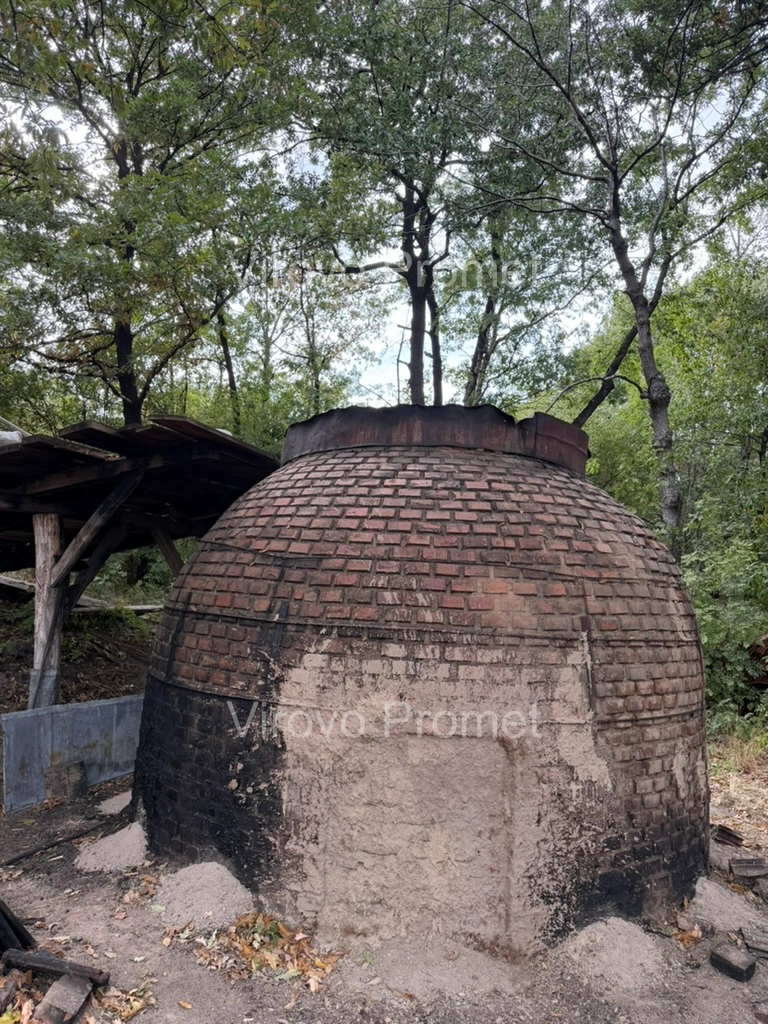
What is charcoal made from?
Grill charcoal is made from hardwood. In Europe that usually means oak, beech and acacia. Further south and overseas it means very dense woods such as Marabu, mangrove and Namibian hardwood.
Dense wood makes dense charcoal, and dense charcoal burns longer. That is why Marabu holds embers for up to about 8 hours, while beech, a lighter wood, gives about 3 hours and lights faster.
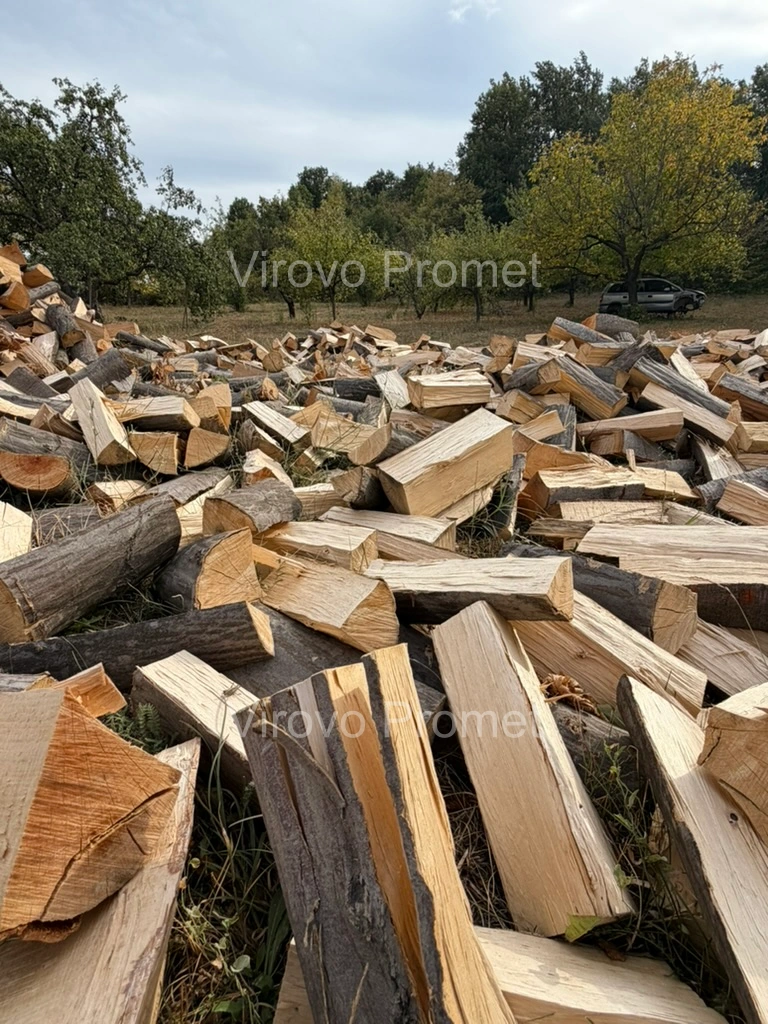
How charcoal is made, step by step
Charcoal is wood with the water and most of the gases driven out. To get there, the wood is heated in a closed kiln that lets in only a little air, so it chars instead of burning.
- Cut and dry the wood. Air-dried wood still holds 12 to 18 % water; wet wood wastes fuel and lowers the yield.
- Load the kiln: an earth pit or mound, a brick kiln or a steel kiln.
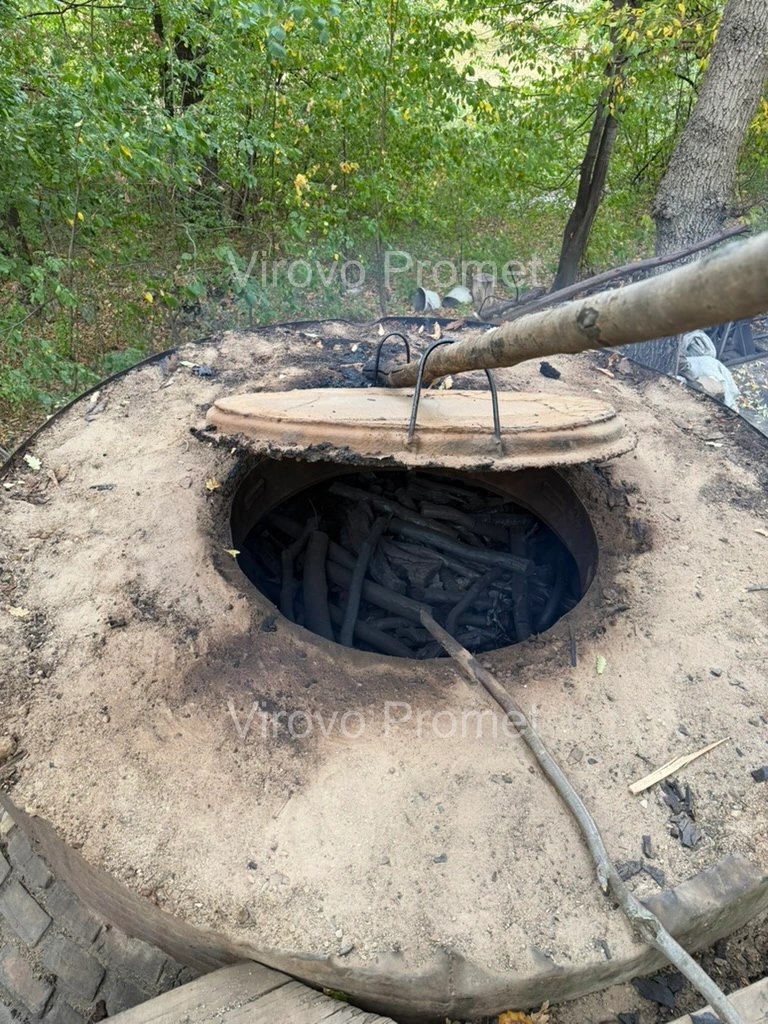
- Carbonise. The wood dries at up to 100 °C. At about 280 °C it starts breaking down by itself and gives off heat. The burner then pushes the whole load to around 500 °C.
- Cool it sealed. The kiln stays closed for days; air at this stage would burn the charcoal to ash.
- Sort and pack. Fines and unburnt pieces are screened out, and the charcoal goes into bags.
Why the kiln temperature decides the quality
The hotter and more even the finish, the more of the charcoal is pure carbon. FAO measurements show fixed carbon rising from 68 % at 300 °C to 86 % at 500 °C and 92 % at 700 °C. Charcoal pulled out too early is "soft burned": in one FAO sample it had only 47.6 % fixed carbon and 46 % volatile matter, against 84.2 % fixed carbon in a well-burned sample of the same wood.
Soft-burned charcoal is the charcoal that smokes, smells and burns out fast. Good commercial charcoal needs about 75 % fixed carbon or more; the Marabu we sell is at least 80 % and often 82 to 85 %.
Source: FAO Forestry Paper 41, Table 4. Higher fixed carbon means more heat and less smoke.
Earth kiln or brick kiln: does it matter to the buyer?
Kilns differ in yield and speed. FAO gives typical yields of 15 % by weight for an earth pit and 20 % for a brick or portable steel kiln, and cycles of 20 to 30 days for an earth pit against 9 to 25 days for a brick kiln.
For the buyer, the kiln matters less than the result: charcoal that is fully carbonised, dry and even in size.
How to recognise good charcoal in ten seconds
Open a bag and check these five signs, which hold for every hardwood charcoal.
- Colour: shiny black all through, no brown patches or wood grain.
- Sound: two pieces knocked together ring almost like metal.
- Weight: dense, heavy pieces, not light and crumbly.
- Dust: few fines at the bottom of the bag.
- Smoke: once the bed is lit, almost no smoke and no smell of wood.
Charcoal sales: how wholesale buying works
Virovo Promet does not burn charcoal itself. We are a wholesaler: since 1990 we choose charcoal by exactly the signs above and sell it to restaurants, shops, distributors and importers.
Single bags are available at our Skopje office. Delivery usually starts from one pallet, and export goes by full truck (about 33 Euro pallets) or 20 ft and 40 ft container to Serbia, Montenegro, Bosnia and Herzegovina, Kosovo, Albania, Croatia, Slovenia and the rest of Europe. Bags come in 2, 3, 5, 10, 15 and 20 kg.
What sets the charcoal price
We do not publish a price list, because the price depends on the order. These are the things that move it:
- Wood type and grade: Marabu and Namibian cost more than beech or acacia.
- Piece size and how many fines are allowed.
- Bag size, and whether the bags carry your own print.
- Quantity: a full truck or container costs less per ton than one pallet.
- Delivery terms and destination.
- Season: demand peaks before Easter and 1 May, so order early.
| Kiln | Yield by weight | Cycle | Volume |
|---|---|---|---|
| Earth pit | 15 % | 20–30 days | 8–30 m³ |
| Brick kiln | 20 % | 9–25 days | 50–130 m³ |
| Portable steel kiln | 20 % | 3–4 days | 6.5 m³ |
Questions buyers ask
How is charcoal made?
Hardwood is heated in a kiln with very little air. It dries, starts breaking down on its own at about 280 °C, is finished at around 500 °C and is then cooled sealed for several days before sorting and packing.
What is charcoal made from?
From hardwood: oak, beech and acacia in Europe, and dense woods such as Marabu, mangrove and Namibian hardwood elsewhere. Denser wood gives longer-burning charcoal.
How much wood does it take to make 1 kg of charcoal?
About 4 kg of dry wood on average. FAO training kilns averaged a 26 % yield on a dry basis; earth pits typically give about 15 % and brick kilns about 20 %.
Why does some charcoal smoke?
Because it was not fully carbonised or is damp. Under-burned charcoal still holds wood gases that come out as smoke. Well-made charcoal barely smokes once the bed is lit.
What does charcoal cost wholesale?
It depends on the wood type, piece size, bag size, quantity and delivery. Send the product, quantity and city on WhatsApp and we reply with a price, usually the same day.
Where can I buy charcoal wholesale in the Balkans?
From Virovo Promet in Skopje, North Macedonia, a family charcoal wholesaler since 1990: single bags at the office, pallets, full trucks and containers across the Balkans and Europe.
Sources
Products mentioned
Where we deliver
Request a quote
Tell us the product, the quantity and where it is going. You get prices and delivery terms for your market, quoted without obligation.
Prefer WhatsApp? The same message, one tap.
More guides
- What charcoal do restaurants need?
- How much charcoal fits on a pallet, in a truck and in a container?
- What should you check before importing charcoal into the EU?
- Charcoal for HoReCa distributors and hotel groups
- Private label charcoal: your brand on the bag
- Briquettes vs lump charcoal: which should you buy?
- How to choose a wholesale charcoal supplier
- How to light charcoal — and how much charcoal you need
- What do you need to import charcoal into the US or Canada?
- The best charcoal for grilling and restaurants, ranked
- Charcoal export and wholesale: price per ton, packaging and delivery